Notification Timing Patterns Drive Session Switches Among Digital Reel Enthusiasts and Strategic Card Players During Global Athletic Broadcasts on Handheld Apps
Written by Kai Friedrich · Oct 4, 2026
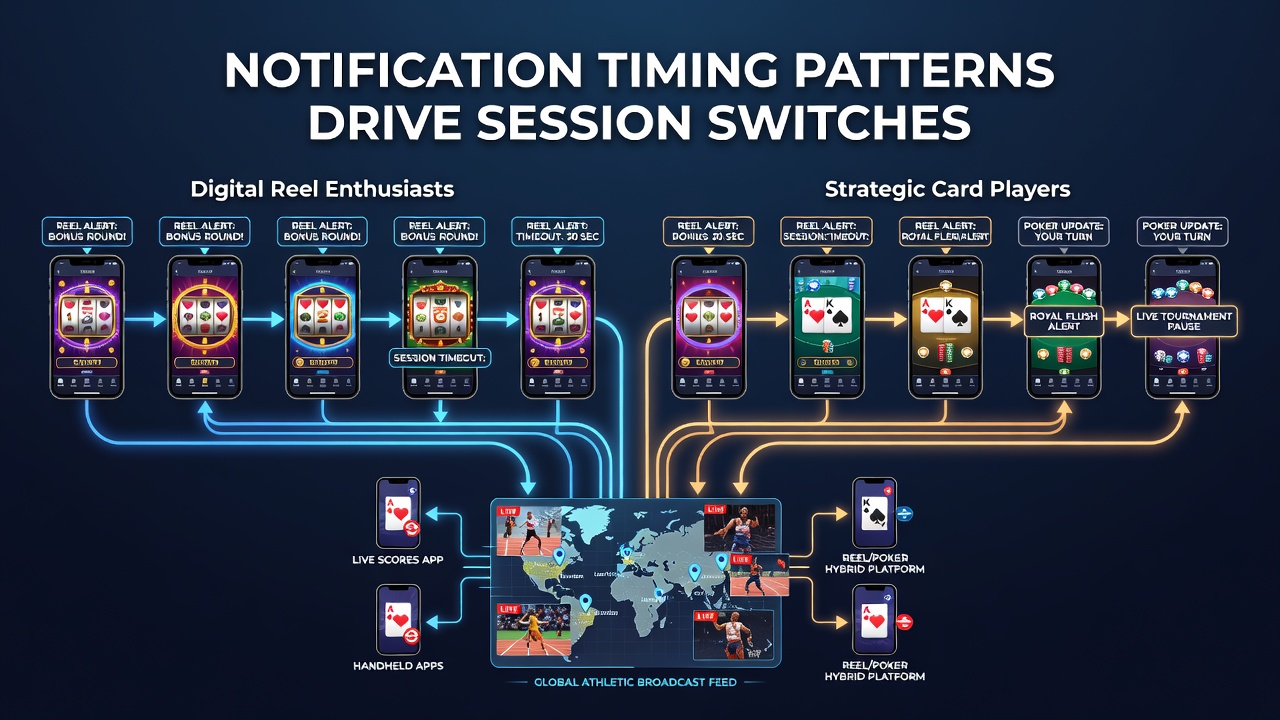
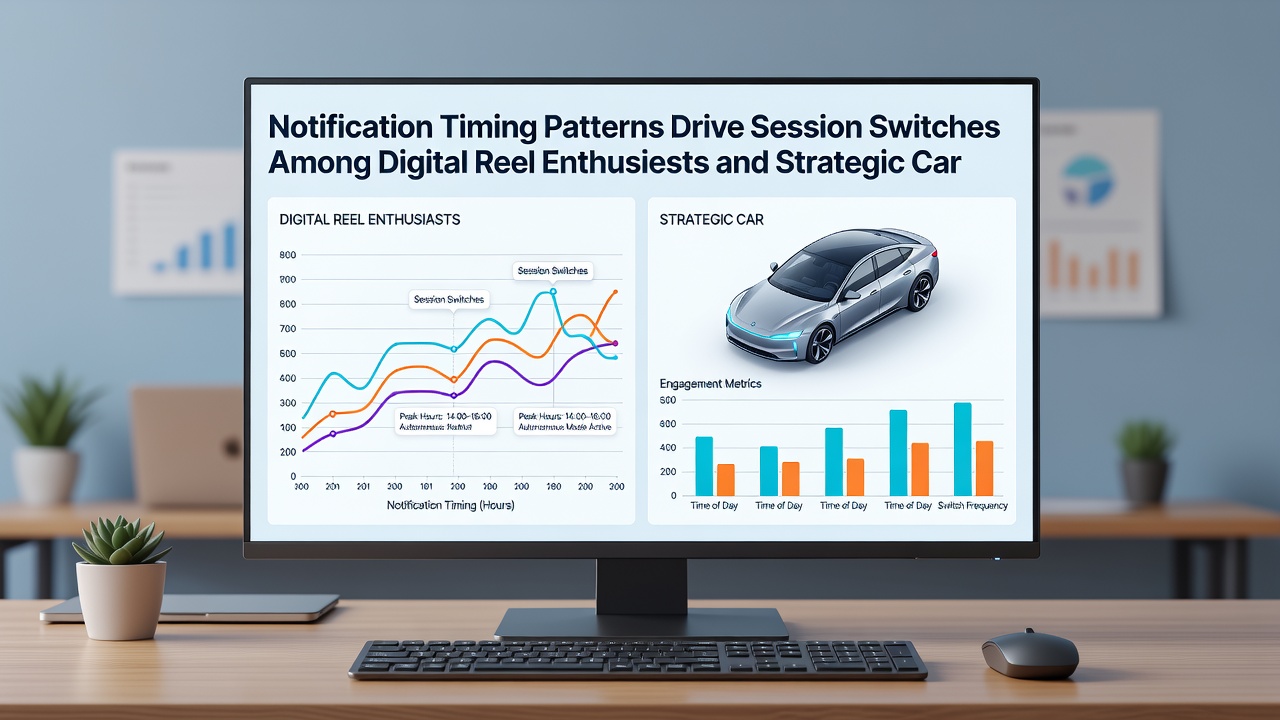
Notification Timing Patterns Drive Session Switches Among Digital Reel Enthusiasts and Strategic Card Players During Global Athletic Broadcasts on Handheld Apps
App analytics platforms have tracked distinct shifts in user activity when push notifications arrive during live sports events, and these patterns show clear connections between notification delivery times and transitions from reel-based games to card sessions on mobile platforms. Data collected across multiple international tournaments reveals that users often move between game types within specific windows following alerts about score changes or match milestones.
Patterns in Notification-Driven Activity
Research from mobile analytics firms indicates that notifications sent during high-tension moments in athletic broadcasts correlate with increased session switches, and users tend to exit reel games more frequently when alerts highlight immediate developments such as goals or turnovers. In October 2026, tracking during overlapping European football leagues and North American baseball playoffs showed that alerts arriving between the 45th and 60th minute of matches prompted measurable migrations toward card game interfaces.
Those who monitor app telemetry note that the interval between notification receipt and game-type change averages under ninety seconds for a significant portion of active accounts, while longer delays reduce the likelihood of immediate switches. Analysts at the Canadian Gaming Association have compiled figures that link these timing windows to broader usage trends across handheld devices.
Timing Windows and Game Type Transitions
Studies of user logs demonstrate that notifications arriving during commercial breaks or halftime periods produce higher rates of movement from digital reels to strategic card environments, and this holds particularly true when the alerts reference upcoming match segments or player statistics. Observers have recorded that reel enthusiasts respond to early-match notifications by sampling card rooms, whereas card players show reverse patterns when alerts occur near the end of broadcasts.
App developers have adjusted delivery schedules based on aggregated data, and tests conducted in late 2025 revealed that spacing notifications at seven-minute intervals during live events reduced abrupt session terminations compared with clustered alert distributions. Figures from these tests appear in reports issued by the European Gaming and Betting Association.
Regional Variations in October 2026 Events
During October 2026 coverage of international rugby and basketball competitions, Australian market data indicated stronger switch rates among users receiving notifications that combined score updates with bonus round reminders, and similar patterns emerged in North American markets when alerts referenced live odds adjustments. Regulatory summaries from state-level bodies in the United States have documented these regional differences without attributing causation to any single factor.
Card session participants exhibited greater responsiveness to notifications that arrived within the first fifteen minutes after a major play, and reel users showed elevated activity when alerts coincided with extended injury timeouts. Cross-platform studies continue to map these behaviors across different device operating systems.
Developer Adjustments and Platform Responses
Platform operators have introduced segmented notification categories that separate sports alerts from in-game promotions, and preliminary results from these categorizations show altered switch frequencies among users who opt into both streams. Industry reports note that users who disable certain alert types maintain longer sessions within a single game category during broadcast periods.
Further examination of backend logs reveals that push frequency and content type interact with broadcast length, and longer events such as multi-hour tournaments generate more cumulative switches than shorter contests. Researchers continue to examine how these interactions evolve across successive seasons.
Conclusion
Notification timing patterns have become a measurable variable in how mobile users navigate between reel and card environments during global athletic broadcasts, and ongoing data collection from multiple jurisdictions supplies the evidence base for these observations. Continued refinement of delivery schedules remains an active area of platform development as events unfold through 2026 and beyond.